Compare Local Contractors for Bush Shaping Services Effectively
Compare local contractors for bush shaping to define project scope, verify experience, and set clear expectations for a successful property improvement.
Bush shaping services typically involve the removal of overgrown or unruly shrubbery to create a neat, functional landscape. This work may include trimming, pruning, and sculpting bushes to maintain their health and appearance, as well as to improve visibility and accessibility around the property. Contractors may also handle debris removal and ensure that the shaped bushes align with the overall landscape design. Proper bush shaping can enhance curb appeal and help prevent overgrowth that might interfere with structures or other landscape features.
Defining the scope of bush shaping work is an important step in ensuring the project meets expectations. Clear communication about the specific bushes to be shaped, the desired style or form, and any additional tasks-such as clearing debris or trimming nearby plants-helps prevent misunderstandings. Documenting these details in writing creates a reference that both property owners and contractors can review, reducing the risk of disagreements. Establishing a well-defined scope also allows property owners to compare different service providers based on their experience and approach to similar projects.
When evaluating local contractors for bush shaping services, property owners should consider experience and expertise in landscape maintenance. It’s helpful to verify how long a contractor has been performing this type of work and whether they have handled projects similar in scope and complexity. Comparing the methods and communication styles of different service providers can also provide insight into their professionalism and reliability. Gathering information about their process for defining scope, handling unforeseen issues, and providing written agreements can support informed decision-making and help ensure the selected contractor is well-suited to meet specific landscape needs.
Compare local contractors by outlining project priorities, verifying experience, and clearly defining expectations in writing.
- Compare Contractor Experience - Review the backgrounds and project histories of local contractors to ensure they have relevant experience.
- Define Project Scope Clearly - Outline specific tasks and expectations to facilitate accurate communication with service providers.
- Verify Service Provider Credentials - Confirm qualifications and references to assess the reliability of local contractors.
- Document Agreements in Writing - Ensure all project details, responsibilities, and expectations are recorded to prevent misunderstandings.
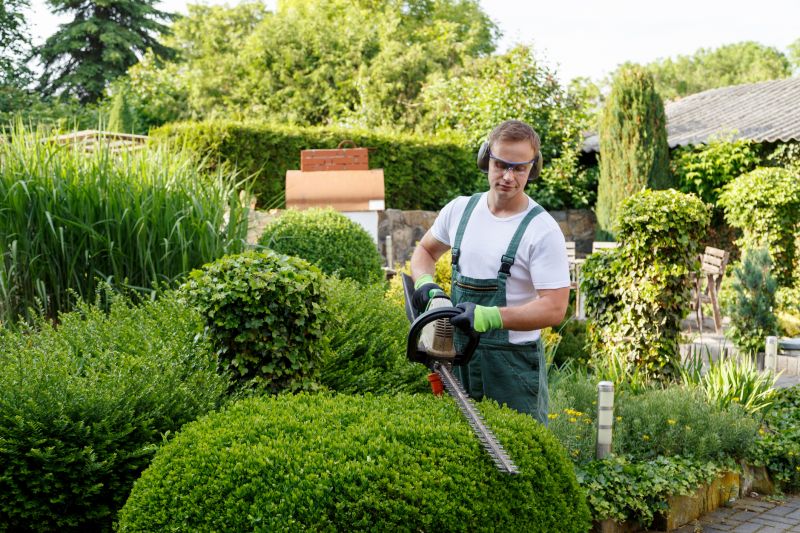
Clearly describe your project scope before comparing local contractors to ensure accurate service matching and expectations.
- Verify the experience and expertise of local contractors in bush shaping services. - Ensure contractors clearly define the scope of work and specific tasks involved.
- Compare the credentials and reputation of different service providers before making a selection. - Look for contractors who provide detailed written estimates and scope of work agreements.
- Assess the communication and professionalism demonstrated during initial contact or consultations. - Confirm that all project expectations and requirements are documented in writing.
- Check for references or reviews that can provide insight into the quality of previous bush shaping projects. - Ensure contractors have a consistent track record of completing similar work satisfactorily.
- Evaluate the tools, equipment, and methods that local contractors plan to use for the job. - Confirm their approach aligns with the scope and complexity of the bush shaping service needed.
Use this service to compare local contractors, clarify project scope, verify experience, and set clear expectations.
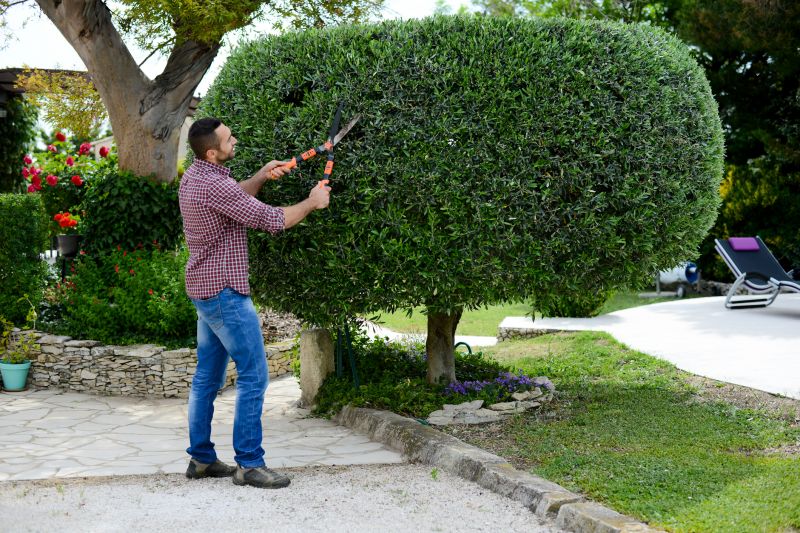



Compare local contractors' scope definitions and experience to ensure consistent expectations across providers.
- Define scope of work - clearly outline the specific bush shaping services required to ensure mutual understanding.
- Verify experience and expertise - confirm that service providers have relevant experience handling bush shaping projects similar to the scope.
- Assess tools and techniques - determine the methods and equipment contractors plan to use for shaping bushes effectively.
- Establish communication expectations - set how and when the service provider will provide updates and clarify project details.
- Document project details in writing - create a detailed agreement covering scope, methods, and expectations to prevent misunderstandings.
When evaluating contractors for bush shaping services, it’s important to consider their experience with similar projects. Homeowners should inquire about the types of properties or landscapes the service providers have worked on previously, ensuring they have a history of handling shrub and hedge shaping tasks comparable to the scope needed. A contractor’s familiarity with different plant varieties, terrain conditions, and shaping techniques can impact the quality and efficiency of the work. Verifying the contractor’s background through references or portfolio examples can help confirm their ability to deliver consistent results on projects similar to the one at hand.
A clear, written scope of work is essential for setting expectations and avoiding misunderstandings. Homeowners should seek service providers who can outline the specific tasks involved, including the extent of shaping, trimming, and any additional services included. Having this information in writing helps ensure that both parties understand what will be done, which can prevent surprises or unmet expectations later. When comparing options, look for contractors who are willing to provide detailed descriptions of their approach and the work involved, rather than vague or general statements.
Verification basics involve confirming that a contractor’s experience aligns with the project’s needs and that their scope of work is well defined. It’s advisable to ask for references from past clients who had similar bush shaping projects, and to verify that the contractor has a track record of completing such work successfully. Additionally, reviewing any available documentation, such as written proposals or work plans, can provide insight into how thoroughly the contractor has prepared for the job. This process helps ensure that the service provider is capable and prepared to meet the project’s specific requirements.
When comparing options, it’s helpful to evaluate how each contractor communicates their process and scope of work in writing. Consider how detailed and transparent their descriptions are, and whether they are willing to answer questions or clarify any uncertainties. Focus on service providers who demonstrate a clear understanding of the project’s needs and can articulate their approach confidently. By doing so, homeowners can make informed decisions based on the professionalism and clarity of the contractor’s proposal, rather than relying solely on impressions or assumptions.
Request written scope details to ensure clear expectations and consistent work standards with service providers.
- Experience and Expertise - How can I verify a contractor’s experience with bush shaping projects similar to mine?
- Scope of Work - What details should be included in the scope to ensure both parties have clear expectations?
- Comparison Criteria - What factors should be used to compare different service providers beyond pricing?
- Project Approach - How do contractors typically plan and communicate their approach to bush shaping?
- Work Guarantees and Warranties - What should be clarified in writing regarding the scope and quality of work?
How can I compare different contractors for bush shaping services? To compare contractors, review their experience, reputation, and the scope of services they offer. Gathering multiple quotes and asking for references can help identify which service providers meet your specific needs.
What should I consider when defining the scope of bush shaping work? Clearly outline the area to be shaped, the desired outcome, and any specific techniques or tools to be used. Providing detailed instructions helps contractors understand your expectations and deliver consistent results.
How can I verify the experience of a bush shaping contractor? Request information about their previous projects, years of experience, and any relevant work samples. Checking references or reviews from past clients can also provide insight into their expertise.
Why is it important to have the scope of work in writing? Having the scope documented ensures both parties agree on the project details, helps prevent misunderstandings, and provides a reference for expectations throughout the job.
What questions should I ask potential service providers during the selection process? Inquire about their experience with bush shaping, methods used, and how they handle unexpected issues. Clarifying these points can assist in assessing their suitability for the project.
How can I ensure a contractor understands my specific bush shaping needs? Communicate your expectations clearly and provide detailed descriptions or diagrams if possible. Confirm that the contractor has experience with similar projects before proceeding.
Visitors now have a clearer understanding of how to find qualified contractors for bush shaping services by comparing local service providers, defining project scope, verifying experience, and establishing clear expectations in writing. This approach helps ensure that the chosen contractor aligns with the specific needs of the project, fostering a smoother and more transparent process.
Encouraging visitors to take the next step, they are invited to use the quote form to explore and compare options available within their area. Connecting with experienced local contractors through this method can help facilitate a well-informed decision tailored to individual project requirements.